Wondering if Buckhead is all designer storefronts and high-rises, or leafy streets and classic Atlanta homes? The truth is, it is both. If you are thinking about moving to Buckhead or simply want a clearer picture of what daily life looks like there, this guide will help you understand the area’s housing, lifestyle, and transportation in a practical way. Let’s dive in.
What living in Buckhead feels like
Buckhead is not one single, uniform neighborhood. It is a large north Atlanta district made up of more than 40 neighborhoods, with about 87,000 residents across roughly 20 square miles, according to Livable Buckhead’s community demographics.
That scale shapes the experience of living here. You can find a busy commercial core with offices, hotels, shopping, and dining, then turn onto quieter residential streets with mature trees and established homes. Buckhead also has a daytime population of about 140,000, which helps explain why the area often feels both residential and highly active at the same time.
Why Buckhead stands out
One of Buckhead’s biggest draws is its range. Buckhead ATL describes the district as a place where high-rise living and traditional neighborhoods exist side by side, which is a big part of its appeal for buyers with very different goals.
If you want a condo near restaurants and transit, Buckhead offers that. If you want a house on a more established residential street with historic character, you can find that too. Few intown Atlanta areas offer that much variety within such a compact part of the city.
Buckhead housing options
Housing in Buckhead is broad enough to fit a range of lifestyles. Livable Buckhead reports 33,763 multifamily residential units and 18,678 individual homes, which shows just how much product variety exists here.
That means your home search may include very different options within a short drive. Depending on the part of Buckhead, you may be comparing a high-rise condo, a townhome-style residence, or a detached home in a historic district. For buyers, that creates flexibility. For sellers, it makes pricing and positioning especially neighborhood-specific.
Condos and high-rise living
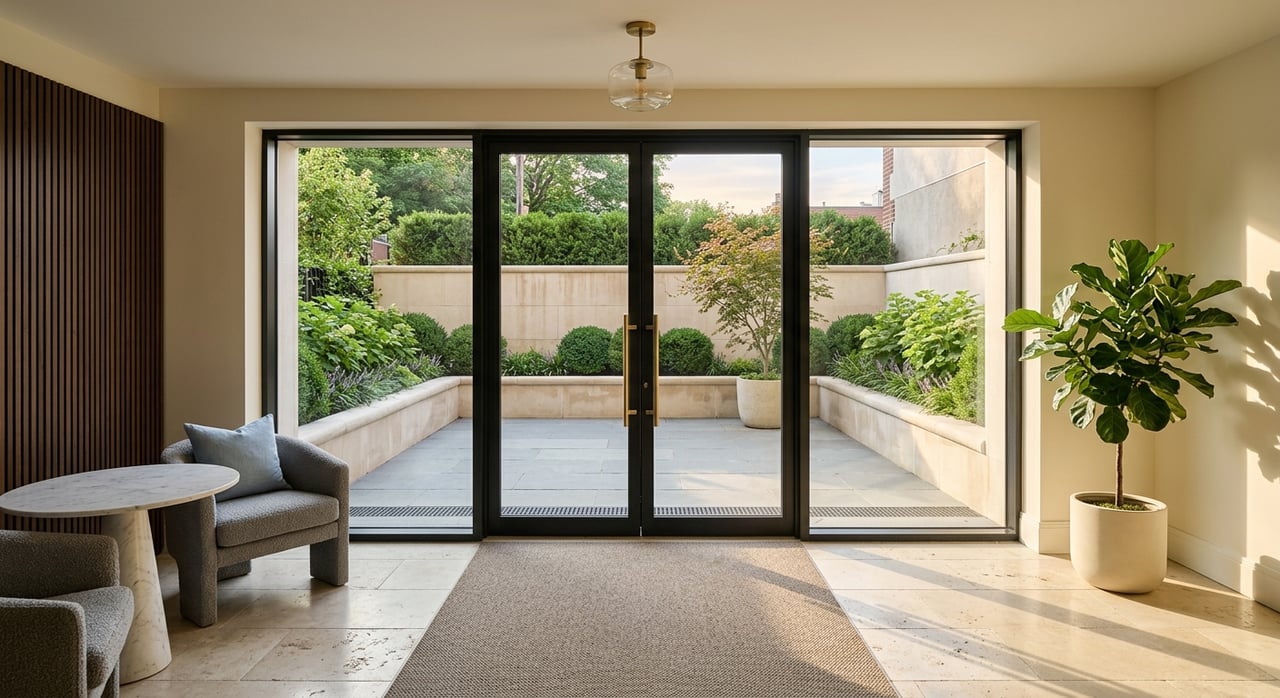
Buckhead is well known for its condo and multifamily inventory. MARTA’s Buckhead Station area overview notes that the area around the station includes tall office buildings, shopping, dining, and exclusive residential condos.
If you want lower-maintenance living and easier access to the commercial core, this can be an appealing setup. Many buyers looking for convenience, lock-and-leave ease, or proximity to dining and retail start their Buckhead search here.
Historic homes and architectural variety
Buckhead also has a deep bench of historic residential character. Buckhead Heritage lists Buckhead Forest, Brookwood Hills, Garden Hills, Peachtree Heights Park, and Peachtree Highlands-Peachtree Park among the Buckhead neighborhoods on the National Register of Historic Places.
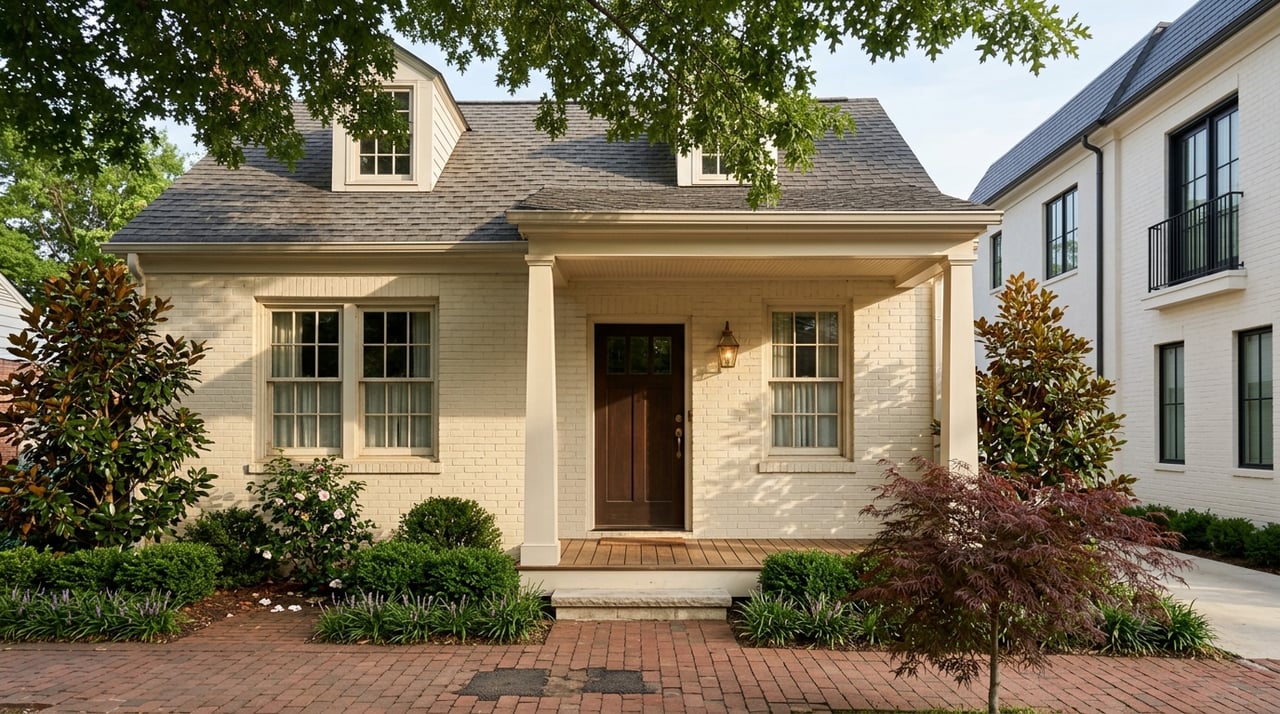
The architecture is one of the area’s strongest features. In Garden Hills, Buckhead Heritage notes styles such as Tudor, Colonial Revival, French Eclectic, and Spanish Mission, along with apartment buildings. In Peachtree Highlands-Peachtree Park, the housing mix includes cottages, bungalows, American small houses, and ranches.
Estate-style properties and classic Atlanta design
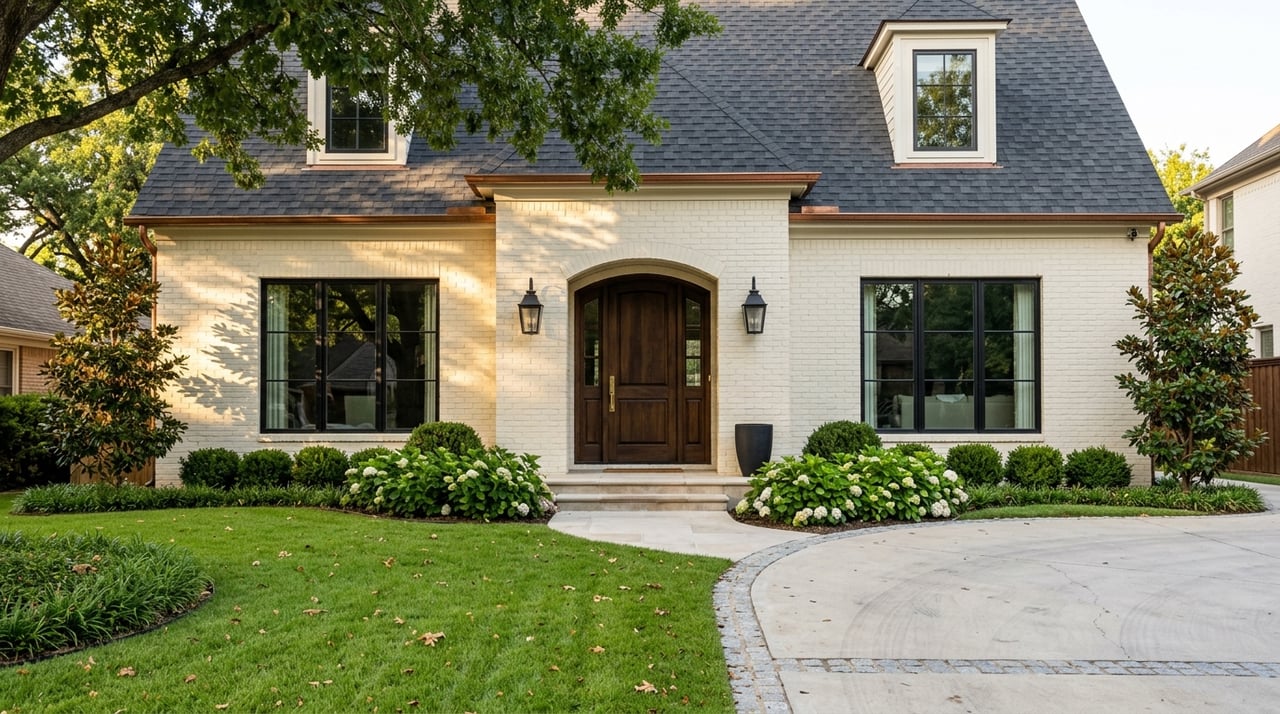
Some Buckhead neighborhoods are especially known for larger lots and more formal residential design. Buckhead Heritage’s overview of Peachtree Heights Park describes homes set farther back from the street, often with formal landscape features and landmark residences such as the Swan House.
That classic Atlanta look remains part of Buckhead’s identity today. The Atlanta History Center’s Buckhead campus also reinforces that sense of place, with historic houses, gardens, and preserved landscapes that give the area a strong connection to the city’s architectural past.
Shopping and dining in Buckhead
Buckhead is one of Atlanta’s most established destinations for shopping and dining. For many residents, that means having a wide range of everyday conveniences and special-occasion options close by.
Lenox Square says it features nearly 250 specialty stores, anchor department stores, and several dining options. Phipps Plaza is positioned as a luxury shopping and mixed-use destination with more than 50 luxury brands, while Buckhead Village District is known for its shopping, dining, outdoor spaces, and pedestrian-friendly design.
According to the research, Buckhead ATL describes the area as having more than 300 restaurants. That variety matters because Buckhead is not limited to one type of experience. You can find destination dining, client-meeting spots, and more casual neighborhood options across the district.
Parks, trails, and cultural spots
Buckhead’s green space is a major part of daily life, especially if you want outdoor options without leaving intown Atlanta. The City of Atlanta lists Chastain Memorial Park and Chastain Park Racquet Center in Buckhead, and Chastain Park Amphitheatre is a well-known venue for live music.
Another local asset is PATH400, which Livable Buckhead highlights as a multi-use trail that supports a greener and more walkable district. For many residents, trails and parks help balance out the energy of the commercial core.
The Atlanta History Center adds another layer to the neighborhood experience. Its 33-acre Buckhead campus includes Goizueta Gardens, Swan House, Smith Farm, and Veterans Park, giving residents and visitors access to both landscaped grounds and historic sites.
Getting around Buckhead
Transportation is one of the most important things to understand before moving to Buckhead. The area has strong regional access, but your experience will depend a lot on where you live and where you need to go.
Buckhead ATL notes that GA 400, I-75, and I-85 provide direct connections to the rest of the city. That highway access is a major reason many people choose Buckhead, especially if they need to move between multiple parts of Metro Atlanta.
MARTA access and transit options
Buckhead also has meaningful rail and bus access. MARTA serves the district through Buckhead Station on the Red Line, Lenox Station on the Gold Line, and nearby Lindbergh Center, which acts as a Red and Gold transfer point.
Route 110 connects Arts Center, Buckhead, and Brookhaven, while Route 27 links Lenox Station and Arts Center. If transit access matters to you, it is worth looking closely at a home’s relationship to these stations and routes rather than thinking about Buckhead as one uniform transit environment.
Walkability and traffic reality
Buckhead is becoming more walkable in parts of the district, but it is important to set realistic expectations. Livable Buckhead gives the commercial core a Walk Score of 73, which suggests moderate walkability rather than a fully car-free lifestyle.
Traffic is also a real part of living here. Livable Buckhead reports that 98 percent of the workforce commutes in from elsewhere and that the daytime population nearly doubles, which helps explain why congestion can be a defining part of peak-hour travel.
Who Buckhead may appeal to
Buckhead can work well for a wide range of buyers because the area supports different ways of living. Some people are drawn to condo living near retail and restaurants. Others prefer established residential streets, historic homes, and a more tucked-away feel.
It may be a good fit if you want:
- A mix of urban convenience and traditional residential areas
- Access to shopping, dining, and cultural destinations
- Housing choices that range from condos to larger detached homes
- Strong highway access with some MARTA connectivity
- Parks, trails, and green space woven into daily life
The key is narrowing down which part of Buckhead best matches your priorities. Lifestyle, commute patterns, and housing style can vary significantly from one area to another.
What to know before buying in Buckhead
Because Buckhead has so much variety, buying here usually requires a more tailored approach than buyers expect. A condo near Buckhead Station, a historic home in Garden Hills, and a larger property in an established residential pocket can each involve a very different pricing dynamic and search strategy.
That is why local context matters. If you are exploring Buckhead, it helps to compare not just home prices, but also block-by-block feel, access to daily amenities, traffic patterns, and the type of housing stock that fits your long-term plans.
Final thoughts on living in Buckhead
Buckhead earns its reputation because it brings together two sides of Atlanta that many buyers want at once: classic residential character and modern convenience. You get historic architecture, established neighborhoods, major shopping and dining, green space, and regional access, all within one district.
If you are thinking about buying or selling in Buckhead, having clear guidance can make the process feel much more manageable. If you want help understanding which part of Buckhead fits your goals, Allise Raad offers calm, informed guidance tailored to how you want to live.
FAQs
What is Buckhead like for daily living in Atlanta?
- Buckhead combines a busy commercial core with quieter residential areas, offering shopping, dining, offices, parks, trails, condos, and single-family homes within a large north Atlanta district.
What types of homes are available in Buckhead?
- Buckhead includes high-rise condos, multifamily residences, historic cottages and bungalows, traditional detached homes, and larger estate-style properties depending on the neighborhood.
Is Buckhead walkable for everyday errands?
- Parts of Buckhead are moderately walkable, especially in the commercial core, where Livable Buckhead reports a Walk Score of 73.
Does Buckhead have public transportation options?
- Yes. Buckhead has MARTA access through Buckhead Station, Lenox Station, and nearby Lindbergh Center, along with local bus connections.
Is Buckhead mostly car-dependent?
- In many cases, yes. While transit and walkability have improved in parts of the district, Buckhead still relies heavily on road access and experiences notable traffic during peak hours.