Trying to choose between intown convenience and a more residential feel? Sandy Springs often lands in the middle. You can find direct access to major highways, MARTA rail service, and mixed-use districts, while much of the city still protects lower-density neighborhoods and tree canopy. If you are weighing Sandy Springs against Buckhead, Midtown, or farther-out northside suburbs, this guide will help you understand the lifestyle, housing mix, and everyday tradeoffs. Let’s dive in.
Why Sandy Springs Stands Out
Sandy Springs offers a blend that can be hard to find in one place. The city sits around the intersection of Georgia 400 and I-285, and it is also served by MARTA rail, MARTA bus routes, and GRTA Xpress commuter service. That gives you options if you want strong regional access without moving too far from Atlanta’s core.
At the same time, city planning documents show a clear effort to preserve many lower-density residential areas with a suburban character and tree canopy. In practical terms, that means your experience can vary a lot depending on where you look. Some pockets feel more tucked away and leafy, while others feel busier, more connected, and more urban.
Commute Access in Sandy Springs
If daily access matters to you, Sandy Springs has a strong case. The city says Georgia 400 and I-285 intersect within Sandy Springs, making it a key northside hub for drivers. MARTA rail also connects the area to Buckhead, Midtown, Downtown, and Hartsfield-Jackson Atlanta International Airport.
The city lists four MARTA stations in or serving Sandy Springs: Medical Center, Dunwoody, Sandy Springs, and North Springs. It also identifies MARTA bus routes 87, 148, and 5 as serving the city. That mix can be especially helpful if you want flexibility between driving and transit.
Sandy Springs is also continuing to invest in transportation upgrades. The city is improving corridors like Hammond Drive with new crossings and a multi-use path, while broader trail planning points to more multimodal connections over time. Even in a place that remains car-oriented in many areas, that kind of investment can improve day-to-day convenience.
What This Means for Your Routine
If you need to reach major employment centers, the airport, or other intown neighborhoods, Sandy Springs can make that easier than many farther-out suburbs. You may be able to keep a northside address while staying better connected to the rest of metro Atlanta.
The tradeoff is simple. The same roads that make Sandy Springs convenient also bring traffic. Roswell Road is the city’s primary north-south corridor, and the city has active safety and mobility projects in busy areas like Roswell/Abernathy and Hammond Drive because of congestion and crash concerns.
Neighborhood Feel Changes by Pocket
One of the most important things to know about Sandy Springs is that it does not feel the same everywhere. This is not a one-note city. Your block, your corridor, and even your side of a main road can shape your experience in a big way.
The city’s comprehensive plan describes Protected Neighborhoods as low-density single-family residential areas with a suburban character and tree canopy. It also notes that some single-family attached ownership is included. That points to a strong base of more traditional residential streets across much of the city.
Other areas are more commercial or mixed-use. The city’s design guidelines identify Central Perimeter, North End, Greater City Springs, Powers Ferry, Neighborhood Village, and Crossroads as focus areas for commercial and mixed-use development. Perimeter Center is also described by the city as one of the Southeast’s largest Class A office markets.
City Springs and Walkable Energy
If you want a more town-center feel, City Springs is the clearest example. The city says this district was shaped around a community vision for a vibrant, walkable center with dining, residential living, retail, and entertainment. City Green, a four-acre civic park, adds public gathering space for concerts, events, and casual use.
That creates a different experience from a more tucked-away residential street. If you like having civic activity, arts programming, and a central gathering place nearby, this part of Sandy Springs may appeal to you more than quieter pockets.
North End and Transitional Areas
Some areas feel more in-between. The city says the North End is a redevelopment priority, with goals to improve the quality and variety of housing, retail, and amenities. Planning materials also note older low-density rental housing from the 1960s and 1970s as part of the existing backdrop.
For buyers, that can signal change over time rather than a fully settled feel. If you are considering a transitional corridor, it helps to look closely at the immediate surroundings, current land use, and nearby public improvements.
Housing Options Are Broader Than Many Expect
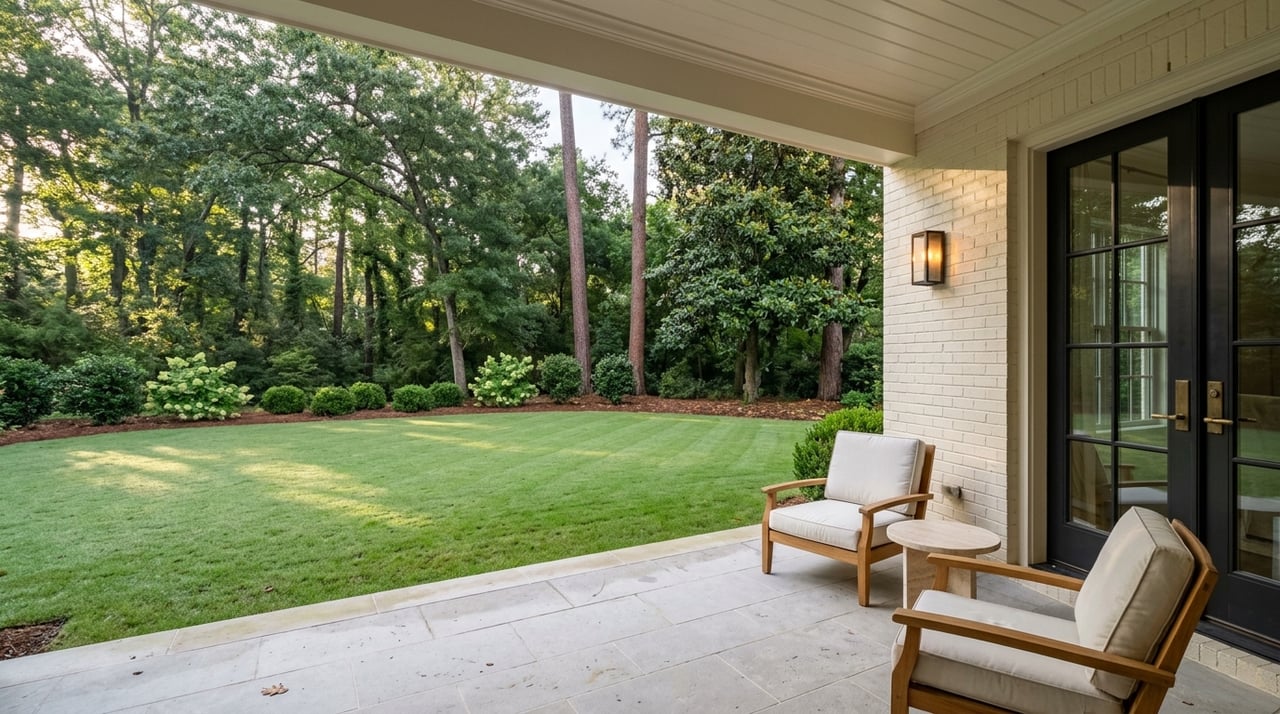
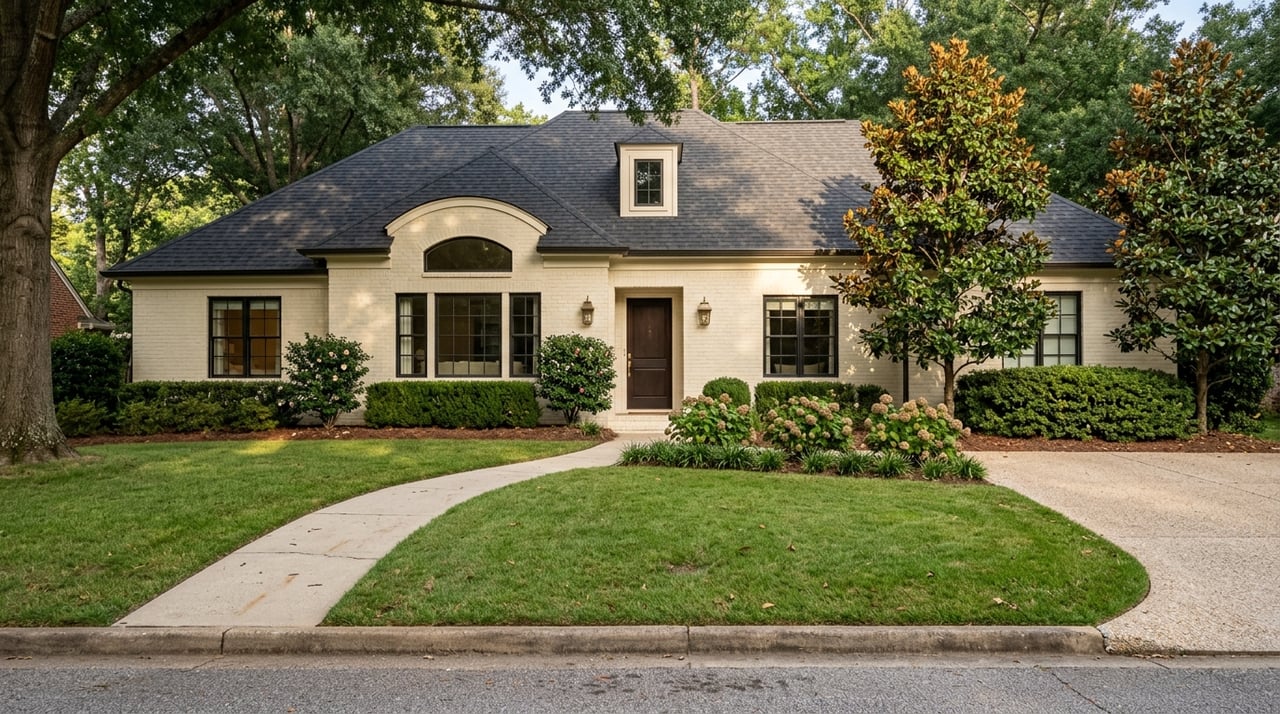
Sandy Springs is often associated with single-family homes on leafy lots, and that image is grounded in reality. Many parts of the city are planned to maintain a suburban residential character. If you are hoping for mature trees and a more established street feel, you can find that here.
But the housing mix is broader than many buyers assume. The city says it has 96 apartment complexes, with two more under construction. That tells you Sandy Springs is not only a single-family market. It also includes a substantial multifamily presence, along with ownership opportunities in attached housing and mixed-use settings.
Who Sandy Springs Often Fits Best
Sandy Springs may be worth a close look if you want:
- Access to Buckhead, Midtown, Downtown, or the airport
- A choice between quieter residential streets and busier mixed-use pockets
- A greener setting than many intown neighborhoods
- More housing variety than some traditional northside suburbs
- Proximity to major shopping, dining, and medical centers
That range is part of the appeal. You can often choose the version of Sandy Springs that best matches your routine and priorities.
The Leafy-Street Factor Is Real
If greenery matters to you, Sandy Springs stands out. City sources describe it as very park-rich, with more than 950 acres of parkland, 16 parks, and 22 miles of Chattahoochee River shoreline on one page. Another city page says Sandy Springs maintains 28 developed parks and seven undeveloped park properties.
The park counts differ across city pages, but the main takeaway is clear. Green space is a major part of the city’s identity. That supports the overall impression many buyers already have when they drive through the area.
Lost Corner Preserve is a good example of this natural character. The city says the preserve includes 24 acres of woodland and nature trails, plus a community garden, greenhouse, apiary, and ADA-approved trail. Places like that reinforce the sense that nature is not just nearby, but built into the local experience.
Chattahoochee Access and River Rules
River-adjacent property can be especially appealing in Sandy Springs, but it also comes with added considerations. The city’s River Corridor page says properties near the Chattahoochee are subject to buffers and setbacks. Those rules help preserve the wooded river feel, but they can also limit what owners can build or change.
The city is also planning more river and trail access. Its Chattahoochee Riverfront Access Plan identifies potential public access sites including Morgan Falls, the northern end of Roswell Road, and the Crooked Creek area. If outdoor access is part of your wish list, that long-term planning may matter.
Everyday Convenience and Local Amenities
Sandy Springs also performs well on practical convenience. The city highlights strong shopping, dining, and major medical access. It lists Northside Hospital, Emory Saint Joseph's Hospital, and Children's Healthcare of Atlanta at Scottish Rite as hospitals in the city, and says 40 percent of available hospital beds in metro Atlanta are located within Sandy Springs.
For many buyers, that kind of infrastructure matters just as much as home style. Easy access to daily services, major employment areas, and civic amenities can have a big impact on how a place feels over time.
City Springs adds another layer of convenience. The city runs a farmers market there and positions the district as a hub for events, arts, and community gatherings. If you like the idea of a suburb with a more visible civic core, that is a meaningful point in Sandy Springs’ favor.
So, Is Sandy Springs Right for You?
Sandy Springs can be a strong fit if you want northside access without giving up greenery or neighborhood variety. It offers a mix of major-road convenience, transit options, preserved residential pockets, mixed-use districts, and substantial park access. Few places on Atlanta’s north side combine those pieces in quite the same way.
It may be especially appealing if you are deciding between a more urban intown lifestyle and a quieter suburban one. In Sandy Springs, you do not always have to choose one or the other. The key is knowing which pocket aligns best with your routine, housing goals, and tolerance for traffic near the busiest corridors.
If you are comparing Sandy Springs with Buckhead, Midtown, Brookhaven, or other north Atlanta options, a neighborhood-by-neighborhood strategy matters. The right fit often comes down to the small details of location, access, and feel. If you want help sorting through those tradeoffs, Allise Raad offers calm, informed guidance tailored to how you actually live.
FAQs
What makes Sandy Springs different from other north Atlanta areas?
- Sandy Springs combines access to Georgia 400, I-285, MARTA rail, and bus service with many lower-density residential areas that city planning documents say are meant to preserve a suburban character and tree canopy.
What are the main transit options in Sandy Springs?
- The city says Sandy Springs is served by four MARTA stations, Medical Center, Dunwoody, Sandy Springs, and North Springs, along with MARTA bus routes 87, 148, and 5 and GRTA Xpress commuter service.
Does Sandy Springs have walkable areas?
- Yes. City Springs is the clearest example of a walkable, town-center style district with dining, residential living, retail, entertainment, and a civic green for events and gatherings.
What types of homes are available in Sandy Springs?
- Sandy Springs includes low-density single-family neighborhoods, some single-family attached ownership, mixed-use areas, and a substantial multifamily presence, including 96 apartment complexes according to the city.
Is Sandy Springs known for parks and green space?
- Yes. City pages describe Sandy Springs as park-rich, with more than 950 acres of parkland on one page and a broad system of developed and undeveloped parks on another, plus 22 miles of Chattahoochee River shoreline.
What should buyers know about homes near the Chattahoochee in Sandy Springs?
- The city says river-adjacent properties may be subject to buffers and setbacks, which help preserve the wooded corridor but can also affect what owners are allowed to build or change.
Is Sandy Springs convenient for healthcare access?
- Yes. The city lists Northside Hospital, Emory Saint Joseph's Hospital, and Children's Healthcare of Atlanta at Scottish Rite in Sandy Springs, and says 40 percent of available hospital beds in metro Atlanta are located there.
What is the main tradeoff of living in Sandy Springs?
- The biggest tradeoff is that some of the most convenient corridors are also the busiest, especially along major routes like Roswell Road and around key intersections with active congestion and safety improvement projects.